
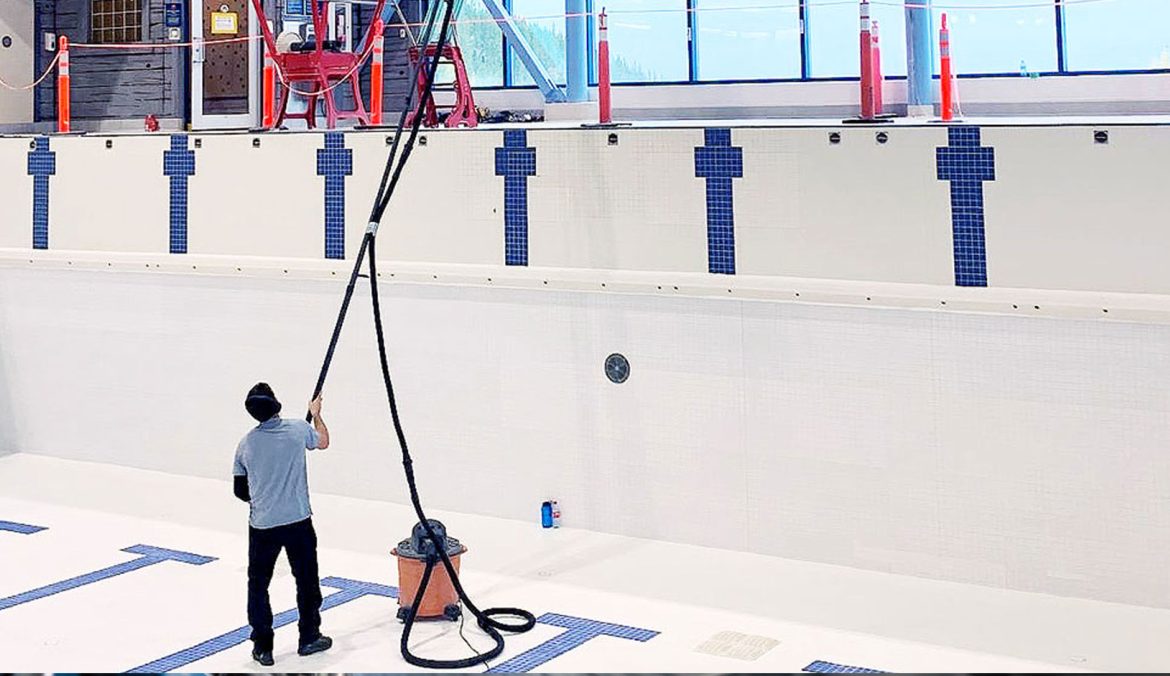
What Is Commercial High Dusting and When Does a Building Need It?
Routine janitorial cleaning usually focuses on floors, desks, washrooms and surfaces that staff can reach safely. However, commercial buildings also contain beams, vents, pipes, ledges and light fixtures far above the normal cleaning zone. Dust and debris can settle on these areas for months because staff may not see them or reach them safely.
Commercial high dusting removes buildup from elevated interior surfaces. It is especially relevant to warehouses, retail spaces, workshops, fitness facilities, community buildings and commercial properties with open ceilings. Therefore, the cleaner and facility manager should plan the work around the building's height, layout, equipment and activity. They should not treat it as ordinary dusting with a longer handle.
Glacier Clear offers commercial high dusting as part of its window and exterior cleaning services in Whitehorse. This guide explains what the service may include and how facility managers can decide when to request an assessment.
What Surfaces Does High Dusting Include?
Every facility is different. Still, high dusting commonly addresses exposed or elevated surfaces such as:
- ceiling beams, rafters and trusses;
- pipes, conduit and cable trays;
- the exterior of accessible ductwork;
- high ledges and wall tops;
- vents and grilles;
- suspended signs and structural features;
- ceiling fans and accessible light fixtures;
- upper window sills and frames;
- warehouse racking above the normal cleaning zone.
First, confirm the exact scope before work begins. Some surfaces may require equipment shutdowns, restricted access or coordination with another contractor. In addition, high dusting does not replace internal HVAC or duct cleaning, electrical maintenance, mould removal or hazardous-material work.
Why Elevated Dust Gets Missed
High surfaces are easy to overlook because they sit outside the normal line of sight. For example, a floor can look clean while dust remains on beams several metres above it. Open-ceiling designs also create more horizontal edges where particles can settle.
Access creates another challenge. Staff should not improvise with unstable ladders, stacked furniture or tools that do not support elevated work. Moreover, in an active facility, the cleaner must protect people, products and equipment below the work area.
As a result, facility managers often schedule high dusting as a separate periodic service instead of adding it to the nightly or weekly janitorial routine.
Which Whitehorse Properties Benefit Most?
Commercial high dusting can be useful anywhere a building has elevated horizontal surfaces, but it is particularly relevant to:
- warehouses and distribution areas;
- workshops and light-industrial facilities;
- retail stores with exposed ceilings;
- gyms, studios and recreation facilities;
- restaurants or hospitality spaces with high architectural features;
- offices with atriums or tall reception areas;
- schools, community halls and public buildings;
- parking or service areas with overhead pipes and ledges.
The service frequency will vary. For instance, a low-activity office with enclosed ceilings may need little high dusting, while a busy warehouse with an open structure may require more frequent inspections.
How to Plan Commercial High Dusting
High dusting involves access and coordination as much as cleaning. Therefore, a useful plan covers the following details.
1. Define the exact surfaces
First, list the rooms, elevations and features that need cleaning. Photos can help, but the cleaner may need an on-site assessment when ceiling height or access remains unclear.
2. Review what sits below the work
Next, note any desks, stock, food-contact surfaces, fitness equipment, vehicles or sensitive electronics below. Then, arrange the work zone to control falling dust and protect the surrounding space.
3. Coordinate timing and access
Some facilities may prefer service outside operating hours or during a temporary closure. Therefore, confirm alarms, locked areas, tenant permissions and any equipment that must remain accessible.
4. Match the method to the building
The cleaner should select tools and access methods that suit the surface, height and type of buildup. For example, delicate fixtures and active equipment need a different approach than a bare structural beam.
5. Finish with lower-level cleanup
Finally, removing overhead dust may dislodge particles. The scope should explain how the crew will protect and clean the area below after finishing the elevated surfaces.
How Often Should You Schedule High Dusting?
There is no universal high-dusting calendar. Instead, start with an inspection, complete the initial service and then monitor how quickly buildup returns. Facility activity, ventilation, ceiling design, outdoor exposure and cleanliness requirements will all affect the interval.
Some managers add high dusting to an annual deep-cleaning plan. Others inspect quarterly and schedule only when needed. Meanwhile, managers of busy warehouses, workshops or public buildings may review elevated surfaces more often than those in quiet offices.
Finally, keep a simple record of the areas the crew cleaned, the date and any surfaces that need future attention. This record turns high dusting from a forgotten task into a manageable maintenance item.
Frequently Asked Questions
Is high dusting the same as duct cleaning?
No. High dusting can clean accessible exterior surfaces of ductwork, vents and nearby structures. It does not clean inside an HVAC system. Therefore, do not describe high dusting as a substitute for professional duct cleaning.
Does high dusting improve indoor air quality?
Removing settled dust can reduce visible buildup and the amount that air movement may disturb. However, many factors affect indoor air quality, and cleaning alone cannot diagnose them. Therefore, ventilation, filtration or environmental concerns may require a qualified assessment.
Can a business stay open during high dusting?
That depends on the height, access method, falling-dust controls and activity below the work. For example, some areas may need a temporary closure, or the crew may work outside operating hours. Confirm the plan before work starts.
What information should you provide for a quote?
Provide the address, building type, approximate ceiling height, photos, target surfaces and any access or scheduling restrictions. In addition, larger or more complex facilities may require a walkthrough.
Request Commercial High Dusting in Whitehorse
If beams, pipes, vents or upper ledges fall outside your regular cleaning plan, call Glacier Clear at (867) 334-0110 or email info@glacierclear.ca to discuss commercial high dusting for your Whitehorse facility.